Although consumers have become much more aware about nutrition and assessing the composition of foods, I find there are still nuances in this area worth going over.
Foods consist of dry matter and water
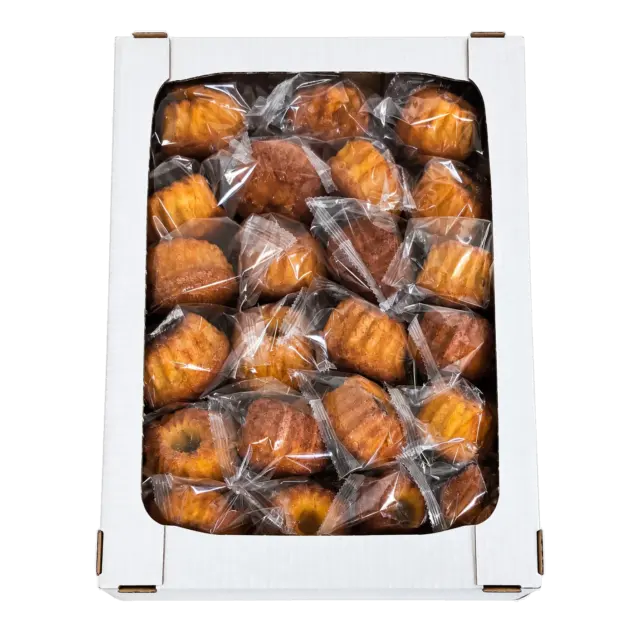
All foods (apart from water itself) contain dry matter and water (moisture) in some form. This is the basic principle of food composition and, consequently, of its energy content. In milk, for example, the water content is obvious. Milk is an emulsion of fat globules in water, and although it looks completely liquid, a full 10–15% dry matter is “hidden” in it. Even when the milk fat is separated and made into butter, 18% water still remains between the fat. In orange juice, natural sugar is dissolved in water. Orange juice too contains about 13% dry matter, although you cannot see it in any way. Hence the expression “hidden sugars”. A white roll feels solid in the hand, yet still contains nearly 40% moisture – that is why it feels so pleasant and soft in the mouth. A baranka (ring biscuit) is very similar to a roll in all other ingredients but contains less than 10% water. The result is a completely different product.
When drying (concentrating) food, i.e. reducing its water content, the mathematics runs counter to intuition. For example, if a fresh apple has 10% dry matter and it is dried (to 70% dry matter), the apple’s mass does not shrink by 60% but by roughly seven times! Because dried food has so much less mass, it logically also has a price many times higher. If you wanted to compare, say, high-tech freeze-dried blueberries with wild berries, you would have to drink a glass of water alongside every 20 g of dried product. That is how much has been evaporated out of it.
Nutrition happens through only a few nutrients
A fairly common complaint is: “Why is there so much carbohydrate in this!?” Or: “Why are there so many calories in this?” Unfortunately, the dry matter of food can mainly be only protein, fat or carbohydrate. There is nothing to be done about it. If you want to eat an apple, you also eat the natural sugar it contains. If you nibble dried (concentrated) apple, you have to accept that the sugar is in concentrated form too. Very protein-rich foods are mostly of animal origin, and fat is abundant in oils and seeds. Carbohydrates make up the main or a significant part of most foods. Besides the three listed, food may contain fibre, which is also a carbohydrate but one humans do not digest. According to common dietary recommendations, out of every 100 grams of food dry matter, 65–70 g should be carbohydrate! In fact, a balanced diet should be approached so that at most 25% of energy comes from fat, 12–20% from protein depending on protein intake, and only carbohydrate remains to fill the required amount of energy.
Almost all nutrients contain energy (kcal)
Energy content in food works quite straightforwardly. Every gram of carbohydrate or protein contains 4 kcal, every gram of fat 9 kcal. Dietary fibre contains no energy, because in metabolic terms it is not “nutrition”. The biggest factor influencing the energy content of food is therefore its amount of dry matter. That is why a healthy diet is recommended to include root vegetables, for example. They contain a noticeable amount of fibre and have a low dry matter content – so when eating root vegetables we are, in a sense, taking in ballast of water and indigestible fibre.
Fats consist of saturated and unsaturated fatty acids. Carbohydrates in turn are divided into starch and sugar. Proteins are divided into animal and plant proteins. In terms of energy balance, it makes no difference which variant of a nutrient you eat – per gram consumed we still get either 4 or 9 kcal. The main difference is how quickly “the stomach gets empty again”. This is where the importance of starches, fat and fibre comes in, which should be eaten at “main meals”. Sugars, by contrast, are better suited to snacks, to compensating for increased energy consumption, or to temporarily boosting mental energy.
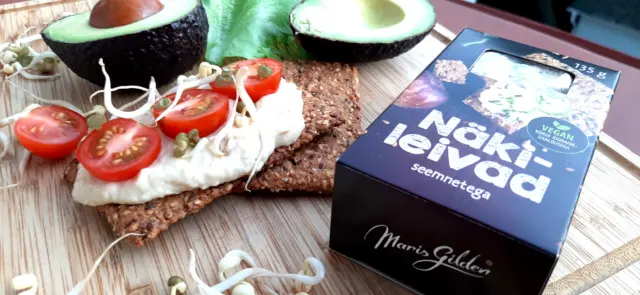
It is also worth noting that all kinds of add-ons go into food mostly as their “net” nutritional value. For instance, adding seeds to bread quickly raises its calorie count thanks to the seeds’ high fat content. That is not bad, it is simply a nutritional fact. Objectively, this bread with added seeds also fills you faster, because it contains more energy. Perhaps the add-ons to watch most are sauces, which in certain cases can be consumed in as large a quantity as the food they cover. The reason juices and healthy eating do not go together in the press is that people perceive dissolved nutrients (sugar) poorly, and gulping down half a litre of juice when thirsty is child’s play. Milk contains a similar amount of “hidden” energy. There is no crusade against milk, because on average milk is not drunk to quench thirst like that – although, as I said in the first half, it contains as much energy as orange juice.
The order of ingredients tells you quite a lot
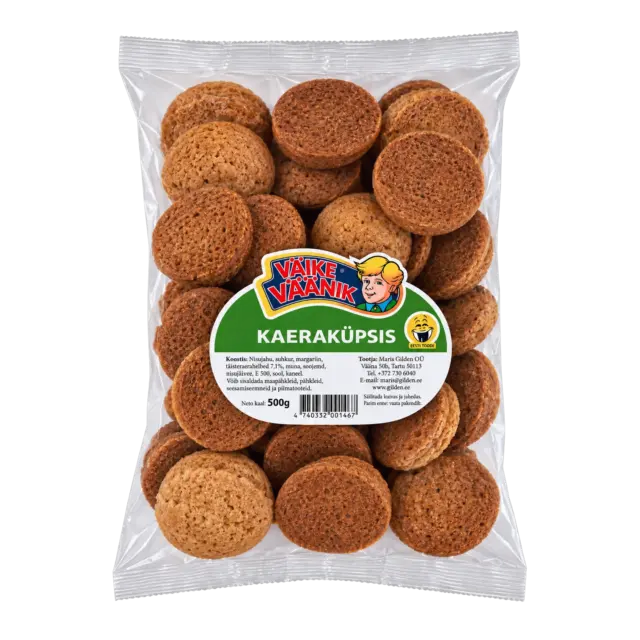
The Food Act says that the ingredients of a food must be listed on the label in descending order of content. If a specific component is referred to in the product name, its content must also be stated on the label. For example, in the ingredients of our “Oat biscuit” we must say how much oat the biscuit contains.
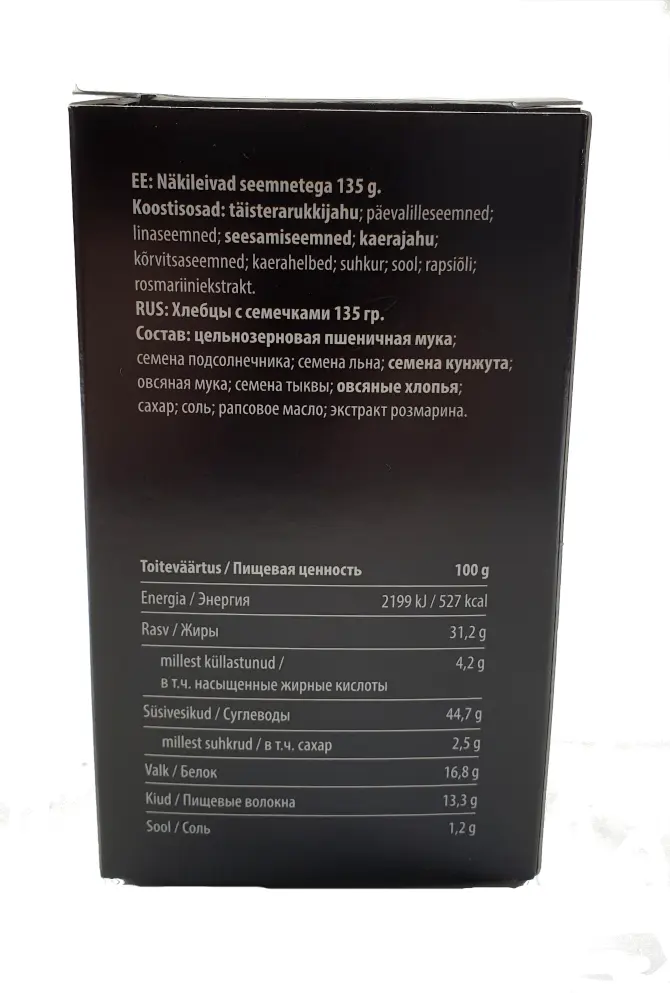
It is quite common for one to three ingredients to provide the “bulk” of a food group and the rest to add flavour. In biscuits, for example, the bulk typically comes from flours, sugar and fat; in cheeses it is only milk, and so on. Sometimes products are made where a reference to some ingredient is made on downright ridiculous terms. I have seen drinking water with birch sap that contained 3% birch sap – a component whose taste is barely perceptible to begin with. To put it bluntly, a teaspoon of birch sap has been added to a glass of water. The same does not apply to, say, cinnamon yoghurt, where a higher cinnamon content is not expected in the first place. If the flavour is conveyed with flavourings, the product must be labelled accordingly. So naming foods is in many respects a creative activity that can be freely argued about later. On the other hand, a “varied diet” means much more than simply eating different foods.
If, however, a food contains one particular component that is the only one containing a certain nutrient, its approximate content can be calculated. For example, if we have a sour cream dessert with berries and no added sugars, almost all the sugar content in the product comes from the berries themselves. If it contains, say, 5 g of sugars, we may assume (a berry contains 10% sugars) that about 50 grams of berries were used.
In summary: nutrition in terms of calories is simple
All foods contain energy throughout, except where they are water or fibre. That energy cannot come from anything other than fat, protein or carbohydrate. The drier the food, the richer in energy it is – but the faster it also fills you. By adding up the carbohydrate, protein and fat in the nutrition table and subtracting the result from 100, you find out how concentrated the food is. By looking at the order of ingredients, you find out what it mainly consists of.